

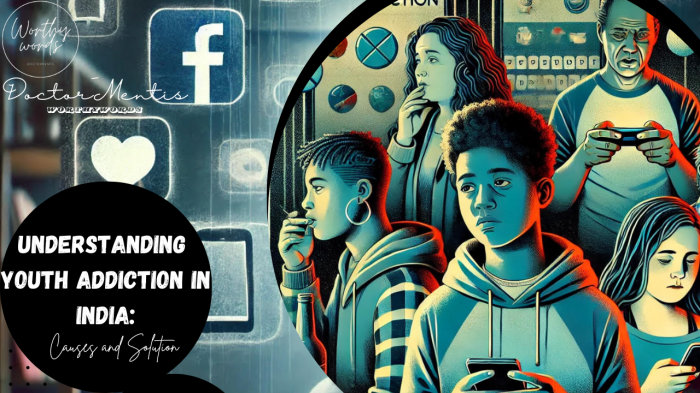
India is witnessing a disturbing trend — the increasing rates of addiction among children and adolescents. This issue, once confined to adults, has now penetrated younger demographics, with growing numbers of teenagers and even younger children falling prey to substance abuse and other forms of addiction, such as digital or gaming addictions. The gravity of this problem has alarmed parents, educators, and policymakers alike, as the implications for the physical and mental health of India’s youth are profound.
According to recent studies, substance use among adolescents in India is on the rise, with over 3 million children reported to be consuming alcohol, tobacco, or other drugs. The National Survey on Extent and Pattern of Substance Use in India highlighted that 4.6% of children between 10-17 years are alcohol users, while nearly 3% have used cannabis. Beyond substance use, the growing dependency on smartphones, social media, and online gaming has further compounded the problem, leading to behavioral and psychological issues.
Several socio-cultural and psychological factors are driving the increasing addiction rates among children and adolescents in India:
1. Peer Pressure and Social Acceptance
Adolescence is a time when young people are particularly vulnerable to peer pressure. The desire to fit in, coupled with curiosity, often leads many teenagers to experiment with substances like alcohol, tobacco, or drugs. Over time, this experimentation can escalate into full-blown addiction, especially in environments where such behaviors are normalized or celebrated.
2. Stress and Academic Pressure
The immense pressure to succeed academically is a significant contributor to the rising addiction rates among adolescents in India. Many students feel overwhelmed by the high expectations placed on them by parents and schools, leading them to seek refuge in substances or unhealthy behaviors. Stimulants, alcohol, and even over-the-counter medications are sometimes used as coping mechanisms to deal with stress, anxiety, or the fear of failure.
3. Family Dynamics and Neglect
Family dysfunction, parental neglect, or the absence of strong emotional support can push children toward addictive behaviors. Children from broken homes, families where addiction is present, or homes where parents are disengaged are more likely to fall into substance abuse. In some cases, addiction can be a way for children to cope with trauma, conflict, or feelings of isolation.
4. Easy Access to Substances and Technology
One of the major reasons for the rise in addiction among adolescents is the increased accessibility of both substances and digital platforms. Alcohol and tobacco are relatively easy to obtain, even for minors, despite legal restrictions. Meanwhile, with the rapid growth of technology, children and adolescents have unrestricted access to smartphones, the internet, and online gaming, leading to digital addiction.
5. Mental Health Issues
Many adolescents struggling with anxiety, depression, or other mental health issues turn to substances as a way of self-medicating. Mental health conditions often go undiagnosed or untreated in children, leading them to seek alternative ways to cope with their emotions. Without proper mental health interventions, these issues can contribute to long-term addiction.
Types of Addictions Affecting Indian Adolescents
1. Substance Abuse (Alcohol, Tobacco, and Drugs)
Alcohol, tobacco, and drug abuse remain some of the most prevalent forms of addiction among Indian youth. Alcohol use often begins as a recreational activity at social gatherings, but frequent use can lead to addiction. The use of tobacco products, such as cigarettes or chewing tobacco, is also widespread, especially in rural areas. Furthermore, cannabis, inhalants, and synthetic drugs like opioids are becoming increasingly popular among teenagers, with devastating consequences on their physical and mental health.
2. Digital Addiction
In today’s digital era, a new form of addiction has emerged—addiction to the internet, social media, and online gaming. Adolescents are spending excessive amounts of time on their smartphones, often leading to sleep deprivation, poor academic performance, and social withdrawal. Online gaming, in particular, has become highly addictive, with many young people spending hours immersed in virtual worlds. This addiction can lead to a host of psychological problems, including aggression, anxiety, and depression.
3. Gaming and Gambling
Along with digital addiction, the rise of online gaming has introduced adolescents to the world of online gambling. While not as widespread as substance abuse, online gambling is becoming a growing concern, with many young people being lured by the thrill of winning and the easy access to gambling platforms.
The repercussions of addiction in children and adolescents are severe and long-lasting:
1. Health Problems
Substance abuse can lead to serious health complications, including liver damage, respiratory problems, weakened immune systems, and developmental issues. Adolescents who abuse alcohol or drugs are at risk of accidents, injuries, and even fatalities due to impaired judgment and risky behaviors. Digital addiction, on the other hand, can lead to sedentary lifestyles, obesity, sleep disorders, and vision problems.
2. Mental Health Issues
Addiction often exacerbates underlying mental health issues. Adolescents struggling with substance abuse are more likely to experience anxiety, depression, and mood swings. Digital addiction, too, can lead to increased feelings of isolation, low self-esteem, and cognitive issues.
3. Academic and Social Impacts
Addiction has a detrimental impact on academic performance. Students suffering from substance or digital addiction may struggle to focus on their studies, miss school, or experience a decline in grades. Addiction also affects their social relationships, leading to social withdrawal, conflicts with family and friends, and even aggressive or antisocial behavior.
4. Legal and Financial Consequences
For adolescents involved in substance abuse or online gambling, there is also the risk of legal trouble. Underage drinking, drug possession, or illegal gambling can lead to criminal charges and penalties. Additionally, online gambling addiction can result in significant financial losses, both for the adolescent and their families.
Tackling the issue of rising addiction rates among adolescents in India requires a multi-faceted approach that involves parents, schools, the community, and the government:
1. Mental Health Education in Schools
Schools should integrate mental health education into their curricula to raise awareness among students about the dangers of addiction and how to seek help. Early intervention programs that teach coping mechanisms, stress management, and emotional intelligence can equip students to better handle challenges without resorting to substance abuse.
2. Parental Involvement and Awareness
Parents need to be more vigilant and proactive in monitoring their children’s behavior. By fostering open communication, setting boundaries, and being aware of the early signs of addiction, parents can play a key role in preventing addiction.
3. Stronger Legal Enforcement
Stricter enforcement of laws around the sale of alcohol, tobacco, and drugs to minors is critical. Similarly, regulations around online gaming and gambling need to be tightened to protect vulnerable adolescents.
4. Counseling and Rehabilitation
Providing adolescents with access to counseling and rehabilitation services is crucial. Schools and communities should work together to offer support services for young people struggling with addiction, whether it’s through school counselors or local rehabilitation centers.
Concluding this, we can say that the increasing addiction rates among children and adolescents in India pose a serious threat to the country’s future. It’s imperative that parents, educators, and policymakers work together to address this issue. Through education, awareness, stronger regulations, and access to mental health support, we can begin to tackle this growing problem and ensure that India’s youth have a healthier, addiction-free future.
In INDIA for mental health support and assistance – TELEMANAS tollfree helpline number – 14416
Discover more from Doctor Mentis
Subscribe to get the latest posts sent to your email.

 Doctor Mentis
0 comments on “Understanding Youth Addiction in India: Causes and Solutions”