

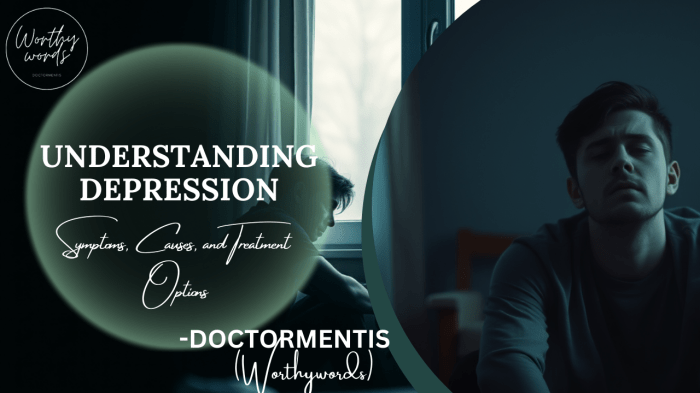
Depression is more than just a feeling of sadness or a temporary emotional downturn. It is a complex mental health disorder that can affect every aspect of life, from physical health to social relationships. With millions of people affected globally, it is crucial to understand depression—its symptoms, causes, and the various treatment options available.
What is Depression?
The Diagnostic and Statistical Manual of Mental Disorders, Fifth Edition (DSM-5) defines depression as a mood disorder that causes a persistent feeling of sadness and loss of interest.. It impacts daily functioning, relationships, and even physical health.
According to the World Health Organization (WHO), more than 264 million people suffer from depression worldwide . It is one of the leading causes of disability and, in severe cases, can lead to suicide.
Depression manifests itself in various ways, and symptoms may vary in intensity and duration. Below are some common symptoms:
Emotional Symptoms:
• Persistent feelings of sadness, emptiness, or hopelessness
• Loss of interest in activities once enjoyed
• Anxiety or irritability
• Feelings of worthlessness or excessive guilt
• Suicidal thoughts or attempts
Physical Symptoms:
• Fatigue or lack of energy
• Difficulty sleeping (insomnia) or oversleeping
• Changes in appetite, leading to weight loss or gain
• Physical aches or pains without a clear cause
Cognitive Symptoms:
• Difficulty concentrating, making decisions, or remembering things
• Slowed thought processes or speech
For a diagnosis, symptoms typically need to be present for at least two weeks and cause significant impairment in daily life .
Causes of Depression
Depression can result from a combination of biological, psychological, and environmental factors. It often varies from person to person, but some of the most common contributing factors include:
1. Biological Factors:
• Genetics: Individuals with a family history of depression are more likely to develop the condition themselves. Studies have shown that people with a first-degree relative suffering from depression are 2-3 times more likely to develop it .
• Brain Chemistry: Imbalances in neurotransmitters like serotonin, dopamine, and norepinephrine can play a key role in the onset of depression. These chemicals regulate mood, and disruptions in their levels can trigger depressive symptoms.
2. Psychological Factors:
• Negative Thinking Patterns: People prone to negative thinking or self-criticism are at a higher risk of developing depression. Low self-esteem, perfectionism, or chronic stress can make an individual more vulnerable to the disorder.
• Past Trauma: Childhood abuse, trauma, or the loss of a loved one can increase the risk of depression later in life .
3. Environmental Factors:
• Stressful Life Events: Situations like financial difficulties, job loss, or relationship problems can trigger depressive episodes.
• Social Isolation: Lack of a support system or feelings of loneliness can worsen depressive symptoms.
• Chronic Illness: Physical conditions such as cancer, heart disease, or chronic pain are associated with higher rates of depression.
Treatment Options for Depression
Depression is treatable, and a wide range of effective treatments is available. The choice of treatment depends on the severity of the depression, personal preferences, and specific symptoms. Here are some common treatment options:
1. Psychotherapy (Talk Therapy):
• Cognitive Behavioral Therapy (CBT): This is one of the most widely used therapeutic approaches for depression. CBT helps individuals recognize and change negative thought patterns and behaviors that contribute to their depression .
• Interpersonal Therapy (IPT): IPT focuses on improving communication and relationships that may be contributing to the individual’s depression.
• Psychodynamic Therapy: This approach explores past experiences, unresolved conflicts, and the impact of early life events on current emotional health.
2. Medication:
• Antidepressants: Medications like SSRIs (Selective Serotonin Reuptake Inhibitors) and SNRIs (Serotonin-Norepinephrine Reuptake Inhibitors) are commonly prescribed to balance neurotransmitter levels. While they are not a cure, they can help alleviate symptoms.
• Tricyclic Antidepressants (TCAs) and Monoamine Oxidase Inhibitors (MAOIs) may also be prescribed in more severe cases. However, they have more side effects than SSRIs and are less commonly used .
3. Lifestyle Changes:
• Regular Exercise: Physical activity has been shown to boost mood-enhancing chemicals like endorphins, helping reduce depressive symptoms.
• Healthy Diet: A balanced diet with nutrients like omega-3 fatty acids and vitamins can help improve brain function and mood .
• Adequate Sleep: Consistent sleep patterns can improve both mood and cognitive function.
4. Alternative Therapies:
• Mindfulness and Meditation: Mindfulness-based cognitive therapy (MBCT) combines traditional cognitive therapy with mindfulness strategies to help individuals remain in the present and combat negative thinking .
• Electroconvulsive Therapy (ECT): ECT may be used in cases of severe depression when other treatments have not been effective. It involves passing small electric currents through the brain to induce brief seizures, which can relieve depressive symptoms .
Depression is a complex but treatable mental health condition. Early recognition and intervention can significantly improve outcomes. If you or someone you know is experiencing symptoms of depression, seeking professional help is crucial. Through a combination of therapy, medication, lifestyle changes, and support, recovery is possible.
Remember, you are not alone in this struggle, and reaching out for help is the first step toward healing.
In INDIA for mental health support and assistance – TELEMANAS tollfree helpline number – 14416
References:
1. World Health Organization (WHO). “Depression.” https://www.who.int/news-room/fact-sheets/detail/depression
2. American Psychiatric Association. “What Is Depression?” https://www.psychiatry.org/patients-families/depression/what-is-depression
3. National Institute of Mental Health (NIMH). “Depression.” https://www.nimh.nih.gov/health/topics/depression
4. Mayo Clinic. “Depression: Risk Factors.” https://www.mayoclinic.org/diseases-conditions/depression/symptoms-causes/syc-20356007
5. Beck, Aaron T. Book- “Cognitive Therapy of Depression.” Guilford Press, 1979.
6. Harvard Health Publishing. “Types of Antidepressants.” https://www.health.harvard.edu/mind-and-mood/types-of-antidepressants
7. National Alliance on Mental Illness (NAMI). “Diet and Mental Health.” https://www.nami.org/Your-Journey/Living-with-a-Mental-Health-Condition/Nutrition
8. Segal, Zindel V., et al. Book- “Mindfulness-Based Cognitive Therapy for Depression.” Guilford Press, 2002.
9. Mayo Clinic. “Electroconvulsive Therapy (ECT).” https://www.mayoclinic.org/tests-procedures/electroconvulsive-therapy/about/pac-20393894
Discover more from Doctor Mentis
Subscribe to get the latest posts sent to your email.

 Doctor Mentis
0 comments on “Understanding Depression: Symptoms, Causes, and Treatment Options”