

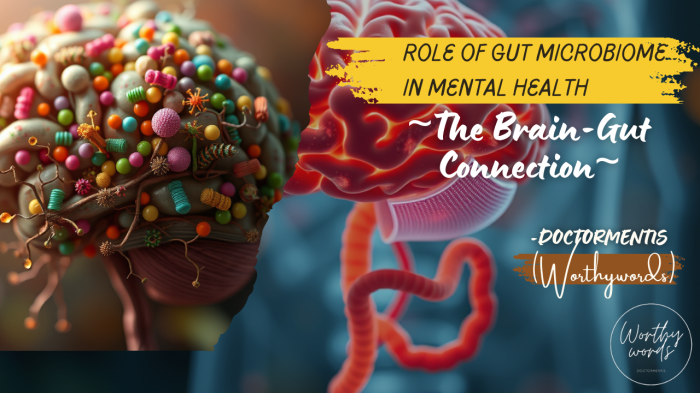
In recent years, the connection between the gut and mental health has emerged as a fascinating and significant area of research. The gut microbiome, a complex community of trillions of microorganisms living in our intestines, plays a critical role in many bodily functions, including digestion, immune response, and, notably, mental health. Scientists now believe that the gut and brain are closely linked, and disruptions in the microbiome can have profound effects on mental well-being, influencing conditions such as depression, anxiety, and stress.
The Gut-Brain Axis: A Two-Way Communication System
The connection between the gut and the brain is known as the gut-brain axis, a bidirectional communication system involving multiple pathways—neural, hormonal, and immunological. The gut and brain communicate via the vagus nerve, one of the largest nerves in the body, which transmits signals between the brain and the gut.
1. Gut Microbiota and Neurotransmitter Production
The gut microbiome plays a key role in producing neurotransmitters—chemicals that regulate mood and emotion. For example, certain gut bacteria produce serotonin, a neurotransmitter commonly associated with feelings of happiness and well-being. In fact, around 90% of the body’s serotonin is produced in the gut, not the brain.
Additionally, gut bacteria are involved in the production of gamma-aminobutyric acid (GABA), a neurotransmitter that helps regulate anxiety and stress. When the gut microbiome is imbalanced, these neurotransmitter levels can be disrupted, potentially leading to mood disorders.
2. Inflammation and Mental Health
Chronic inflammation is often linked to mental health issues like depression and anxiety. An unhealthy gut microbiome can lead to a condition called leaky gut syndrome, where toxins from the gut enter the bloodstream, triggering systemic inflammation. This inflammation can affect the brain and contribute to the development of mood disorders.
Recent studies have shown that patients with depression often have higher levels of inflammation and different gut microbiota profiles compared to healthy individuals. Anti-inflammatory treatments are now being explored as potential therapies for depression.
3. Stress Response and the Gut Microbiome
The gut microbiome influences the body’s response to stress. In animal studies, gut bacteria have been shown to affect stress hormone levels, such as cortisol. People with a healthy balance of gut bacteria are more likely to have a better-regulated stress response, while those with an imbalanced microbiome may experience heightened anxiety and stress levels.
Probiotic treatments, which help restore a healthy balance of gut bacteria, have been found to lower cortisol levels and reduce symptoms of stress and anxiety in both animals and humans.
Research Supporting the Gut-Mental Health Connection
A growing body of research supports the idea that gut health directly impacts mental health. Here are some of the key studies and findings:
1. The University of California, Los Angeles (UCLA) conducted a study showing that women who consumed probiotics showed altered brain activity in regions that control emotion and sensation, suggesting a direct influence of gut bacteria on the brain.
2. McMaster University found that mice fed a probiotic diet showed reduced anxiety and depression-like behaviors, providing further evidence of the gut-brain connection.
3. A 2019 meta-analysis published in General Psychiatry concluded that regulating gut bacteria through probiotics, prebiotics, or diet changes could help alleviate symptoms of depression and anxiety.
How to Support a Healthy Gut for Better Mental Health
Here are a few practical ways to maintain a balanced microbiome:
1. Eat a Fiber-Rich Diet
Fiber is essential for feeding the good bacteria in the gut. Foods such as fruits, vegetables, legumes, and whole grains provide the necessary nutrients for a healthy gut environment.
Track your nutrients effectively with HealthifyMe. Use my code J918PPDTK and get 1000 credits . #fitness #workout #yoga #diet #healthifyme
2. Include Fermented Foods
Fermented foods like yogurt, kefir, sauerkraut, and kimchi are rich in probiotics, which can help boost the population of beneficial bacteria in the gut.
3. Take Probiotics
Probiotic supplements can help restore the balance of good bacteria in the gut, particularly after taking antibiotics, which can disrupt the microbiome. Studies have shown that probiotics can help reduce symptoms of anxiety and depression.
Shop here : Himalayan Organic Probiotics
The Good Bug Gut Balance Probiotics Supplements
Supply6 360 Ultimate Health Powder for Women and Men with probiotics
4. Manage Stress Levels
Chronic stress can disrupt the gut microbiome and lead to mental health issues. Practices like mindfulness, meditation, and exercise can help manage stress and, in turn, support gut health.
Also read : The Power of Mindfulness for Mental Health
5. Limit Processed Foods and Sugars
Processed foods and high sugar diets can negatively affect gut bacteria, promoting the growth of harmful microorganisms. Limiting these foods can support a healthier gut microbiome and reduce inflammation.
The emerging research on the gut-brain connection highlights the importance of gut health in maintaining mental well-being. By taking steps to support a healthy gut microbiome—through diet, probiotics, and stress management—you can positively influence your mental and emotional health. As science continues to uncover the intricate relationships between our gut and brain, we may find new ways to prevent and treat mental health disorders through targeted gut interventions.
References:-
1. Foster, J. A., & Neufeld, K.-A. M. (2013). Gut-brain axis: How the microbiome influences anxiety and depression. Trends in Neurosciences, 36(5), 305-312. https://doi.org/10.1016/j.tins.2013.01.005
2. Cryan, J. F., & Dinan, T. G. (2012). Mind-altering microorganisms: the impact of the gut microbiota on brain and behaviour. Nature Reviews Neuroscience, 13(10), 701-712. https://doi.org/10.1038/nrn3346
3. Tillisch, K., Labus, J., & Kilpatrick, L. (2013). Consumption of fermented milk product with probiotic modulates brain activity. Gastroenterology, 144(7), 1394-1401. https://doi.org/10.1053/j.gastro.2013.02.043
4. Dinan, T. G., & Cryan, J. F. (2017). Gut instincts: microbiota as a key regulator of brain development, ageing, and neurodegeneration. Journal of Physiology, 595(2), 489-503. https://doi.org/10.1113/JP273106
Additional Reads (Links embedded)
• The Psychobiotic Revolution by Scott C. Anderson, John F. Cryan, and Ted Dinan
A detailed exploration of how the gut microbiome influences mental health.
• The Good Gut: Taking Control of Your Weight, Your Mood, and Your Long-Term Health by Justin Sonnenburg and Erica Sonnenburg
This book provides insights into how improving gut health can have a profound impact on overall well-being.
• Brain Maker: The Power of Gut Microbes to Heal and Protect Your Brain by David Perlmutter, MD
A guide to understanding the relationship between gut bacteria and mental health.
Discover more from Doctor Mentis
Subscribe to get the latest posts sent to your email.

 Doctor Mentis
0 comments on “Role of Gut Microbiome in Mental Health: The Brain-Gut Connection”