

We all remember the way the blockbuster hit movie, 3 Iditos started with the baby Farhan in crib being welcomed into this world with “Mera beta engineer banega.”
to the time when Amir at Ishan’s parents home says
“Bahar ek beraham competitive duniya basi hai … aur is duniya mein sabhi ko apne apne gharon mein toppers aur rankers ughaane hai.”
(There is a ruthless competitive world outside … and in this world everyone wants to grow toppers and rankers in their house)
Increasing academic pressure in this ever increasing competitive world is no new thing.
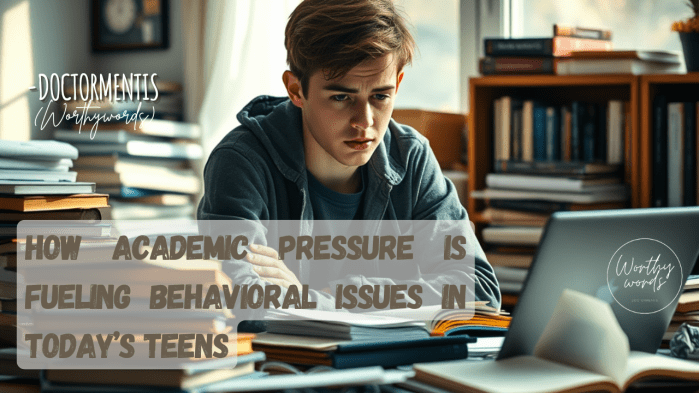
With increasing competition and rising expectations, today’s teens are facing unprecedented levels of academic pressure. This intense pressure to excel can lead to a range of behavioral and mental health issues, including anxiety, depression, and burnout. Understanding how academic stress impacts teenagers and learning strategies to help them manage it can provide valuable support for both teens and their families.
The Scope of Academic Pressure in Today’s Teens
According to a 2021 survey by the American Psychological Association (APA), over 70% of teens report that school is a primary source of stress. Factors such as competitive college admissions, high parental expectations, and societal pressure contribute to an environment where teens feel compelled to perform at their best, often at the expense of their mental health.
Key Factors Contributing to Academic Pressure
1. High Expectations and Competitive College Admissions: The rise in college admissions standards and pressure to excel academically has created an environment where teens feel they must outperform their peers to secure a successful future.
2. Parental Expectations: Parents’ expectations often reflect their own aspirations for their children, which can add to teens’ stress if they feel their worth is tied to academic performance. Sometimes this pressure is even backed by their own unachieved aspirations.
As Amir in TZP says, “Apni ambitions ka wajan apne bachcho ke nazuk kandhon pe daalna … it’s worse than child labour.” (Putting the weight of your ambitions on the delicate shoulders of your child … it’s worse than child labour)
3. Standardized Testing: High-stakes tests, like the SAT or ACT, are seen as critical for college admissions, amplifying the stress teens feel. In practicality, no single score can decide the worth of a person.
4. Social Comparisons: As if the age old “Sharma ji ka beta/beti” were falling short to create unwanted comparisions, that Social media and online platforms added to it, where teens see peers sharing their achievements, leading them to feel inadequate or pressured to compete.
Behavioral and Mental Health Issues Linked to Academic Pressure
Academic pressure can lead to a variety of behavioral and psychological issues. Here are some of the most common ones highlighted by recent research.
1. Anxiety and Depression
The continuous stress to perform well academically can lead to chronic anxiety and, over time, depression. According to research published in Journal of Adolescent Health, students who face high academic demands are more prone to anxiety disorders and depressive symptoms.
• Research Reference: Pascoe, M. C., Hetrick, S. E., & Parker, A. G. (2020). “The Impact of Stress on Students’ Mental Health.” Journal of Adolescent Health, 66(5), 552-560. Link to study
2. Sleep Disruption and Physical Health Issues
Academic stress, especially related to late-night studying and test preparation, often disrupts teens’ sleep patterns, contributing to physical health issues. Sleep deprivation is known to exacerbate mood swings and irritability, which can further impact academic performance and relationships.
• Research Reference: Owens, J. A., & Weiss, M. R. (2019). “Sleep and the Adolescent Brain: Reducing Stress and Improving Outcomes.” Sleep Medicine Clinics, 14(4), 483-492. Link to study
3. Behavioral Issues and Increased Risk-Taking
Teens under constant academic pressure may exhibit behavioral issues, such as defiance, aggression, or even risk-taking behaviors. Research suggests that academic stress can lead teens to adopt maladaptive coping mechanisms, like substance abuse or rebellion, as a way of dealing with overwhelming expectations.
• Research Reference: Luthar, S. S., & Kumar, N. L. (2020). “Adolescence Under Pressure: Coping Mechanisms in Response to Academic Demands.” Child Development, 91(2), 512-528. Link to study
4. Decreased Motivation and Burnout
While some teens may react to academic stress by becoming high-achievers, others may experience burnout, losing motivation to study altogether. Burnout can manifest as fatigue, lack of interest, or even aversion to academic tasks, which ultimately affects their overall performance.
• Research Reference: Madjar, N., & Shoshani, A. (2018). “Burnout in High School Students: Impact of Academic Pressure on Motivation.” Educational Psychology, 38(2), 244-258. Link to study
Tips for Parents and Educators to Help Teens Manage Academic Pressure
Managing academic pressure requires a supportive environment that prioritizes teens’ mental health over sheer performance. Here are some evidence-based strategies for parents and educators:
Also read: How Parenting Impacts Your Child’s Emotional Well-being
1. Promote a Balanced Approach to Academic Goals
Instead of solely focusing on grades or outcomes, encourage teens to value learning and personal growth. Setting realistic goals and celebrating small achievements can reduce stress and foster resilience.
• Tip: Reinforce the idea that academic setbacks are learning opportunities rather than failures, helping teens build a growth mindset.
2. Encourage Open Communication About Academic Stress
Teens who feel they can openly discuss their stress are more likely to develop healthy coping mechanisms. Regular check-ins and open conversations about stressors help teens feel supported.
• Tip: Use active listening techniques and avoid dismissing their concerns. Validating their feelings can empower them to find productive solutions.
3. Set Realistic Expectations
Parents should be mindful of setting expectations that match their teen’s capabilities and interests. Encouraging individual strengths instead of pressuring them to meet universal standards can alleviate stress.
• Research Support: Studies show that teens with supportive, rather than controlling, parents report lower stress levels and higher academic satisfaction (Grolnick & Pomerantz, 2021).
• Reference: Grolnick, W. S., & Pomerantz, E. M. (2021). “Parenting and Academic Motivation.” Annual Review of Psychology, 72, 101-125. Link to study
4. Encourage Time Management and Organizational Skills
Helping teens develop effective time management skills can reduce last-minute cramming and associated stress. Tools such as planners, time-blocking methods, and regular study routines can lead to a healthier approach to academics.
• Tip: Encourage a consistent sleep schedule, breaks during study time, and a dedicated study environment to help improve focus and reduce burnout.
5. Model Healthy Coping Mechanisms
Teens often mirror the behaviors of those around them. Parents and educators who model healthy coping mechanisms, such as exercise, mindfulness, or hobbies, provide teens with practical strategies for managing stress.
• Tip: Consider introducing mindfulness exercises, which research suggests can lower stress and improve emotional regulation in teens.
• Reference: “Mindfulness-Based Interventions for Adolescent Stress” by Biegel, G., Brown, K. W., Shapiro, S. L., & Schubert, C. M. (2019). Journal of Adolescent Health, 65(6), 705-712. Link to study
Also read: Parenting Styles and Their Influence on Adolescent Mental Health: Latest Research Perspectives
Additional Resources and Further Reading
To better understand and manage academic pressure in teens, parents and educators can turn to a variety of reputable resources for guidance:
1. American Psychological Association (APA): Stress in America Report on Youth and Stress https://www.apa.org/news/press/releases/stress
• Offers insights into the sources of stress among youth and provides suggestions for coping mechanisms.
2. Child Mind Institute: Helping Kids Cope with School Stress https://youtu.be/y5EtfFXnUZ0?si=K0knkCohEFNBcWar
• Practical advice for parents and caregivers on supporting children through academic challenges.
3. Books:
• “The Pressured Child” by Michael Thompson: A book that explores the pressures teens face and provides advice on fostering resilience. book
• “Grit: The Power of Passion and Perseverance” by Angela Duckworth: Duckworth’s research emphasizes resilience and persistence, helping teens understand that success comes from sustained effort rather than short-term achievement. book
4. Research Articles:
• “Understanding Academic Stress and Student Behavior”. This study delves into the effects of academic pressure on teen behavior and offers evidence-based suggestions for reducing stress.
Academic pressure is a reality for many teens, but it doesn’t have to define their lives or mental health. By setting realistic expectations, promoting open communication, and supporting healthy coping strategies, parents and educators can help teens navigate academic challenges in a way that preserves their well-being. Understanding that teens are more than their grades and supporting them holistically can lay the foundation for healthier, more resilient young adults.
For further reading on managing academic pressure and supporting teen mental health, feel free to explore the resources above, and remember that prioritizing mental health is key to sustainable academic and personal success.
Discover more from Doctor Mentis
Subscribe to get the latest posts sent to your email.

 Doctor Mentis
0 comments on “How Academic Pressure is Fueling Behavioral Issues in Today’s Teens”