

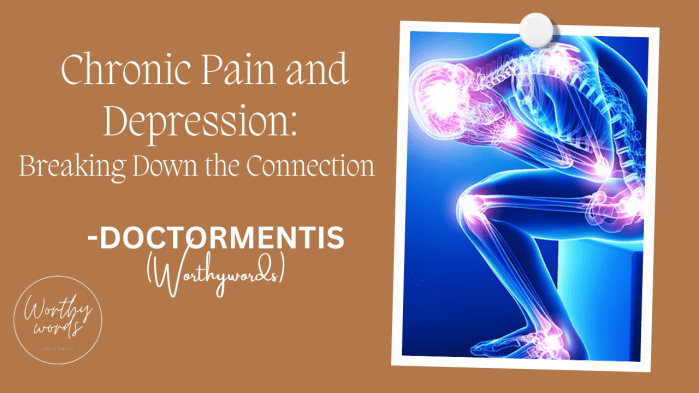
Chronic pain and depression are deeply interconnected, creating a cycle that can significantly impact an individual’s quality of life. People living with chronic pain often face higher rates of depression, while depression itself can amplify the perception of pain. Understanding this connection is crucial for effective treatment and management.
The Biological Link
Chronic pain triggers changes in the brain, altering the way it processes emotions. Pain and mood regulation share common pathways in the brain, which helps explain why persistent pain can lead to depression. For instance, both conditions influence neurotransmitters like serotonin and norepinephrine, which are responsible for mood and emotional stability. This overlap contributes to the higher incidence of depression among chronic pain sufferers.
Studies show that up to 50% of people with chronic pain also experience depression. Whether it’s back pain, arthritis, fibromyalgia, or migraines, the emotional toll of constant discomfort often leads to feelings of helplessness, fatigue, and irritability, all of which are symptoms of depression.
The Psychological Impact
Living with pain day after day can take a heavy psychological toll. The limitations imposed by chronic pain—such as reduced mobility, sleep disturbances, and social isolation—often lead to frustration and hopelessness. These emotions can spiral into clinical depression if left untreated.
Depression, in turn, can intensify the experience of pain. Depressed individuals tend to have lower pain thresholds and report higher pain intensity. This can lead to a vicious cycle: pain increases depression, and depression worsens the pain. People with both conditions are also more likely to experience other health issues, including anxiety and sleep disorders.
Breaking the Cycle: Treatment Approaches
To break this cycle, an integrated approach to treatment is essential. Healthcare professionals often recommend a combination of physical and psychological therapies to treat both conditions simultaneously. For chronic pain, options include physical therapy, medications, and alternative treatments like acupuncture or mindfulness.
For depression, treatments like cognitive-behavioral therapy (CBT) and antidepressant medications have been shown to alleviate both emotional and physical symptoms. Research suggests that addressing the psychological aspects of chronic pain, such as stress and anxiety, can also reduce the perception of pain, creating a positive feedback loop.
Self-Management and Support
In addition to professional treatment, self-management strategies play a crucial role. Practices like regular exercise, relaxation techniques, and maintaining a healthy sleep routine can improve both physical and mental health. Support groups for people dealing with chronic pain and depression provide a sense of community, reducing the feelings of isolation that often accompany these conditions.
The relationship between chronic pain and depression is complex, but understanding the connection is the first step in managing both conditions effectively. Treating them in tandem, rather than as separate issues, leads to better outcomes and improved quality of life for sufferers. By addressing both the physical and emotional aspects of chronic pain, it’s possible to break the cycle and promote long-term healing.
Additional Reading
• American Psychological Association. (2011, January 1). Coping with chronic pain. https://www.apa.org/topics/pain/chronic
• Managing Depression When You Have Chronic Painhttps://www.mayoclinic.org/diseases-conditions/depression/in-depth/depression-and-exercise/art-20046495
• Cognitive Behavioral Therapy for Chronic Painhttps://pmc.ncbi.nlm.nih.gov/articles/PMC5844161/
Discover more from Doctor Mentis
Subscribe to get the latest posts sent to your email.

 Doctor Mentis
0 comments on “Chronic Pain and Depression: Breaking Down the Connection”