

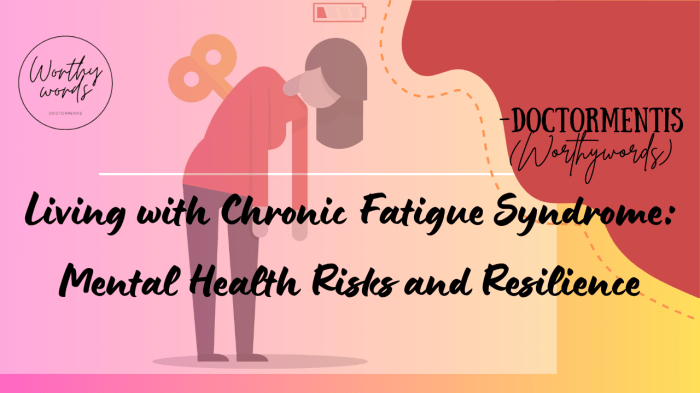
Chronic Fatigue Syndrome (CFS), also known as myalgic encephalomyelitis (ME), is a debilitating condition that affects both physical and mental health. The constant fatigue, cognitive difficulties, and pain can lead to significant mental health challenges, including anxiety and depression. Understanding these risks and building resilience are crucial for managing life with CFS.
The Mental Health Risks
One of the most profound effects of CFS is its toll on mental health. People with CFS often experience:
• Depression and Anxiety: Due to the constant physical limitations, the unpredictability of symptoms, and feelings of helplessness, many CFS patients develop depression and anxiety. Research indicates that individuals with CFS are more likely to experience these conditions than the general population.
• Cognitive Impairment: Commonly referred to as “brain fog,” cognitive impairment in CFS can affect memory, concentration, and decision-making, further exacerbating emotional distress.
• Social Isolation: The physical limitations imposed by CFS often lead to social withdrawal and feelings of isolation, compounding mental health issues.
Resilience Strategies
Despite the challenges, there are several strategies that can help build resilience and improve mental well-being for those living with CFS:
1. Pacing and Energy Management: Managing energy levels through a technique called pacing helps prevent crashes by balancing activity with rest. This helps reduce the mental toll of overexertion.
2. Cognitive Behavioral Therapy (CBT): CBT has shown promise in helping individuals with CFS manage the emotional distress caused by the condition. It focuses on changing negative thought patterns and developing coping strategies. Cognitive Behavior Therapy: Basics and Beyond by Judith S. Beck (Author), Aaron T. Beck (Foreword)
3. Mindfulness and Relaxation Techniques: Practices such as mindfulness meditation, deep breathing, and progressive muscle relaxation can help reduce anxiety and improve mental clarity, offering relief from both emotional and physical symptoms. The Power of Mindfulness for Mental Health
4. Support Networks: Emotional support from family, friends, and CFS-specific support groups can help alleviate feelings of isolation and provide valuable coping advice from people who understand the condition.
Seeking Professional Help
If mental health challenges become overwhelming, seeking help from a mental health professional experienced in chronic illness is vital. Therapies like counseling, medication for depression or anxiety, and holistic treatments can provide relief. A multidisciplinary approach—combining medical treatment for CFS with mental health support—often results in the best outcomes.
A GoI initiative with NIMHANS- TELEMANAS
Living with Chronic Fatigue Syndrome is challenging both physically and mentally, but with the right strategies, individuals can build resilience and manage their mental health. It’s crucial for CFS patients to prioritize self-care, seek support, and work with healthcare professionals to address both the physical and emotional impacts of this chronic condition.
Additional Reading
• Chronic Fatigue Syndrome and Mental Health link
• Cognitive Behavioral Therapy for Chronic Fatigue Syndrome
• Mindfulness and Chronic Fatigue Syndrome
References:
1. Harvard Health Publishing: “The Impact of Chronic Fatigue Syndrome on Mental Health.” Accessed October 2024.
2. National Institutes of Health (NIH): “Cognitive Behavioral Therapy for Chronic Fatigue Syndrome.” Accessed October 2024.
3. NIH Mindfulness for CFS Study: “Effects of Mindfulness-Based Interventions on Chronic Fatigue Syndrome.” Accessed October 2024.
Discover more from Doctor Mentis
Subscribe to get the latest posts sent to your email.

 Doctor Mentis
0 comments on “Living with Chronic Fatigue Syndrome: Mental Health Risks and Resilience”