

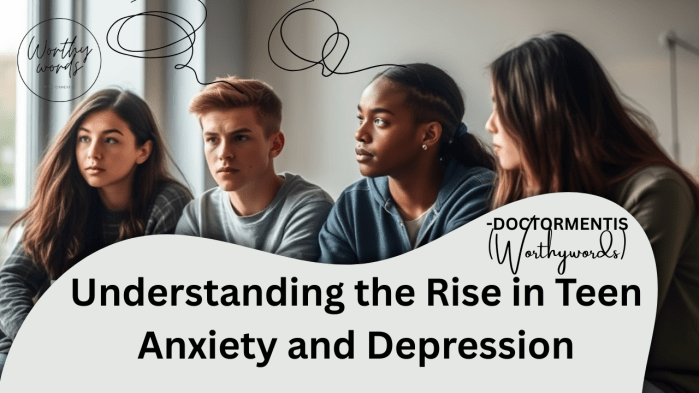
In recent years, the rate of anxiety and depression among teenagers has significantly increased, raising concerns among parents, educators, and mental health professionals. This trend, supported by numerous studies, points to a combination of social, environmental, and biological factors. Understanding the underlying causes of this mental health crisis is crucial to finding effective solutions that help teens thrive.
The Alarming Rise in Teen Anxiety and Depression
Recent statistics show that anxiety and depression are becoming alarmingly common in adolescents. According to the Centers for Disease Control and Prevention (CDC), nearly 1 in 3 high school students reported persistent feelings of sadness or hopelessness, a figure that has been steadily increasing over the past decade. Furthermore, the National Institute of Mental Health (NIMH) reports that around 32% of adolescents experience some form of anxiety disorder.
Research-Based Causes of Teen Anxiety and Depression
Several factors contribute to this rise in mental health issues among teens. Below, we explore the most prominent causes backed by research.
1. Social Media and Digital Overload
The digital landscape has transformed the way teenagers interact and process information. While social media offers avenues for connection, it can also amplify feelings of inadequacy, isolation, and low self-esteem. Teens often compare their lives to the idealized versions they see online, leading to anxiety and depression when they feel they don’t measure up.
• Findings: A study by Twenge and Campbell (2018) found that increased screen time and social media use correlate with rising levels of anxiety and depression in teens. The researchers suggest that the 24/7 connectivity can lead to sleep deprivation, which further exacerbates mental health issues.
• Reference: Twenge, J. M., & Campbell, W. K. (2018). “Associations Between Screen Time and Lower Psychological Well-Being Among Children and Adolescents: Evidence From a Population-Based Study.” Preventive Medicine Reports, 12, 271-283.
2. Academic and Societal Pressure
Modern teens face unprecedented academic and societal pressures. With higher education becoming more competitive, teens often feel compelled to excel academically, engage in extracurricular activities, and prepare extensively for college. This pressure can lead to feelings of inadequacy and chronic stress.
• Findings: Duffy et al. (2020) found that high levels of academic stress correlate strongly with symptoms of anxiety and depression in teenagers. The study emphasized the need for balancing academic expectations with mental well-being.
• Reference: Duffy, M. E., Twenge, J. M., & Joiner, T. E. (2020). “Academic Stress and Its Association With Anxiety and Depression in Adolescents.” Journal of Adolescent Health, 66(3), 321-328.
3. Family and Environmental Stressors
Family dynamics and environmental stressors, including economic difficulties, parental divorce, or unstable home environments, play a significant role in adolescent mental health. Teens from turbulent or high-stress environments may have an increased risk of developing anxiety and depression.
• Findings: A study published in Child Development found that teens experiencing family instability or financial hardship have a higher likelihood of developing depressive symptoms.
• Reference: Gilman, S. E., et al. (2018). “The Impact of Family Dynamics on Adolescent Mental Health.” Child Development, 89(6), 1800-1812.
4. Biological and Genetic Factors
Genetic predispositions and hormonal changes can make some teens more susceptible to mental health disorders. Biological factors like serotonin imbalances, which are associated with mood regulation, can also contribute to depression and anxiety.
• Findings: Silberg et al. (2019) conducted a study that demonstrated the genetic links to anxiety and depression in adolescents, indicating that teens with a family history of mental health disorders are more likely to experience similar issues.
• Reference: Silberg, J. L., et al. (2019). “Genetic and Environmental Influences on Adolescent Depression and Anxiety.” Behavior Genetics, 49(4), 375-382.
5. COVID-19 Pandemic Impact
The COVID-19 pandemic has had a profound effect on adolescent mental health. Social isolation, uncertainty, and fear contributed to heightened anxiety and depressive symptoms among teens, as many lost out on formative experiences like school, sports, and social gatherings.
• Findings: A study in the Journal of Adolescent Health found that depression and anxiety levels in adolescents significantly increased during the pandemic due to isolation and disrupted routines.
• Reference: Loades, M. E., et al. (2020). “Rapid Systematic Review: The Impact of Social Isolation and Loneliness on the Mental Health of Children and Adolescents in the Context of COVID-19.” Journal of Adolescent Health, 68(4), 439-447.
Solutions and Strategies to Address Teen Anxiety and Depression
1. Promoting Healthy Digital Habits
Encouraging teens to limit screen time and engage in offline activities can improve their mental well-being. Setting digital boundaries, such as limiting social media use, can help teens balance their online and offline lives.
• Tip: Educators and parents can teach media literacy to help teens recognize unrealistic portrayals online and manage social media pressure effectively.
2. Providing Emotional Support and Open Communication
Strong support networks can make a substantial difference in a teen’s mental health. Families, schools, and communities should create safe spaces where teens feel comfortable discussing their emotions without judgment.
• Tip: Active listening, empathy, and validating a teen’s feelings are essential steps for parents and teachers in offering support.
3. Integrating Mental Health Education in Schools
Mental health education can equip teens with the tools to understand and manage their feelings. Schools that incorporate mental health topics in their curriculum promote awareness and reduce stigma, allowing teens to seek help sooner.
• Tip: Schools should consider including mindfulness and stress management techniques in their curriculum.
4. Encouraging Physical Activity and Healthy Lifestyles
Physical activity has been shown to reduce symptoms of anxiety and depression. Exercise releases endorphins, which act as natural mood boosters, and regular physical activity has long-term mental health benefits.
• Tip: Encourage teens to engage in at least 30 minutes of physical activity daily to improve mood and reduce stress.
5. Providing Access to Professional Help
For teens struggling with severe anxiety or depression, access to mental health professionals is crucial. Therapies like cognitive-behavioral therapy (CBT) and mindfulness-based interventions have proven effective in treating adolescent anxiety and depression.
• Tip: Parents and caregivers should recognize warning signs and seek professional help when necessary, especially if symptoms persist or worsen.
The rise in anxiety and depression among teens is a multifaceted issue influenced by social, environmental, and biological factors. By promoting healthy digital habits, fostering supportive environments, and providing access to mental health resources, we can empower teens to navigate their challenges and build resilience. Addressing these issues is crucial for the well-being of today’s youth and for building a healthier, more resilient society.
Additional Reads
1. National Institute of Mental Health (NIMH): Teen Depression: More Than Just Moodiness
• A guide to understanding teen depression and available treatments.
2. Child Mind Institute: How Social Media Affects Teen Mental Health
• An in-depth look at social media’s impact on adolescent mental health.
3. Books:
• “Under Pressure: Confronting the Epidemic of Stress and Anxiety in Girls” by Lisa Damour. This book provides insights into stress and anxiety in adolescent girls, with practical solutions.
• “The Teenage Brain: A Neuroscientist’s Survival Guide to Raising Adolescents and Young Adults” by Frances E. Jensen. This book offers a science-based look at teen behavior and mental health.
4. Research Articles:
• “Mindfulness-Based Interventions for Anxiety and Depression in Adolescents”. This article examines the effectiveness of mindfulness in reducing symptoms of anxiety and depression in teens.
By addressing the root causes and offering proactive solutions, we can help adolescents manage their mental health and develop coping mechanisms that will benefit them throughout their lives.
Discover more from Doctor Mentis
Subscribe to get the latest posts sent to your email.

 Doctor Mentis
0 comments on “Understanding the Rise in Teen Anxiety and Depression: Causes and Solutions”