

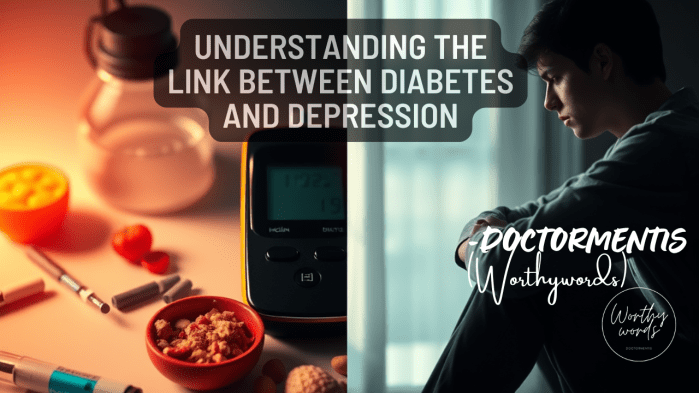
Diabetes and depression have a significant interrelationship, with each condition potentially exacerbating the other. Here’s a deeper look at their connection:
1. Prevalence of Depression in Diabetes
• Individuals with diabetes are approximately two to three times more likely to experience depression compared to those without the condition. The prevalence can vary, with studies indicating that around 30% of individuals with diabetes may experience depressive symptoms at some point.
2. Contributing Factors
• Chronic Illness Burden: The daily management of diabetes can be overwhelming, leading to feelings of frustration, helplessness, and anxiety, which may contribute to depression.
• Biological Factors: The physiological changes associated with diabetes, such as fluctuations in blood glucose levels, can influence mood and cognitive function.
• Lifestyle Changes: Dietary restrictions, exercise requirements, and regular monitoring can affect a person’s lifestyle, social interactions, and emotional well-being.
3. Impact of Depression on Diabetes Management
• Depression can negatively impact diabetes management by leading to:
• Poor adherence to treatment: Individuals may neglect medication, diet, and exercise regimens.
• Increased risk of complications: Poor management of diabetes can lead to higher risks of complications such as cardiovascular disease, neuropathy, and retinopathy.
• Worsening health behaviors: Depression can result in unhealthy coping mechanisms, such as overeating, smoking, or substance abuse.
4. Bi-directional Relationship
• The relationship between diabetes and depression is bi-directional:
• Diabetes can lead to depression: The stress of managing a chronic illness and fear of complications can contribute to feelings of depression.
• Depression can lead to diabetes: Depression may increase the risk of developing Type 2 diabetes, potentially due to lifestyle factors (e.g., inactivity, poor diet) or biological mechanisms (e.g., inflammation, hormonal changes).
5. Cognitive Impairment
• Both diabetes and depression can contribute to cognitive impairment, impacting decision-making and problem-solving abilities, which are crucial for managing diabetes effectively.
6. Importance of Screening
• Routine screening for depression in individuals with diabetes is essential. Early identification and intervention can improve both mental health outcomes and diabetes management.
7. Integrated Treatment Approaches
• An integrated approach that addresses both diabetes management and mental health is crucial:
• Psychotherapy: Cognitive-behavioral therapy (CBT) and other therapeutic approaches can be effective in treating depression.
• Medication: Antidepressants may be prescribed, keeping in mind their effects on blood glucose levels.
• Lifestyle Interventions: Encouraging physical activity, healthy eating, and stress-reduction techniques can benefit both conditions.
8. Support Systems
• Social support from healthcare providers, family, and peers can play a significant role in managing both diabetes and depression. Support groups can provide encouragement and practical tips for coping with the challenges of living with both conditions.
Understanding the interplay between diabetes and depression is critical for effective management and improving overall health outcomes. If you or someone you know is struggling with these issues, reaching out to a healthcare provider for support and guidance can make a significant difference.
Related article: The Hidden Link: How Chronic Illnesses Like Diabetes and Heart Disease Impact Mental Health
References
1. Lustman, P. J., & Clouse, R. E. (2005). “Depression in diabetes: Pathophysiology, prevalence, and treatment.” Diabetes Care, 28(1), 162-171.
• This article reviews the prevalence of depression in individuals with diabetes, the pathophysiological mechanisms involved, and treatment options.
2. Katon, W. (2008). “The comorbidity of depression and chronic diseases.” Journal of Clinical Psychiatry, 69(Suppl E1), 5-9.
• This paper discusses how chronic conditions, including diabetes, are often accompanied by depression, emphasizing the need for integrated care.
3. Cramer, M. E., et al. (2011). “Diabetes and depression: A review of the literature.” Diabetes Spectrum, 24(1), 23-27.
• This literature review summarizes the relationship between diabetes and depression, highlighting the bi-directional nature of the two conditions.
4. Fisher, L., et al. (2010). “Psychological insulin resistance and diabetes management.” Diabetes Care, 33(6), 1419-1424.
• This study explores how psychological factors, including depression and anxiety, influence diabetes management.
5. Gonzalez, J. S., et al. (2007). “Diabetes and depression: A systematic review and meta-analysis.” Diabetes Care, 30(3), 743-748.
• A systematic review and meta-analysis examining the prevalence of depression in individuals with diabetes.
Additional Reading
1. National Institute of Diabetes and Digestive and Kidney Diseases (NIDDK): Diabetes and Depression
• This resource provides a comprehensive overview of diabetes, including its complications and the relationship with mental health.
2. American Diabetes Association: Diabetes and Mental Health
• This page offers insights into how diabetes can affect mental health and includes tips for managing both conditions.
3. Mayo Clinic: Diabetes and Depression: The Connection
• An overview of the relationship between diabetes and depression, including symptoms and treatment options.
4. World Health Organization (WHO): Mental Health and Diabetes
• This fact sheet discusses the global perspective on diabetes and its impact on mental health.
5. Books:
• “Diabetes and Depression: A Guide for Patients and Their Families” by David S. C. Liu and Charlotte H. Lee. This book provides insights and coping strategies for individuals managing both conditions.
Discover more from Doctor Mentis
Subscribe to get the latest posts sent to your email.


0 comments on “Understanding the Link Between Diabetes and Depression”